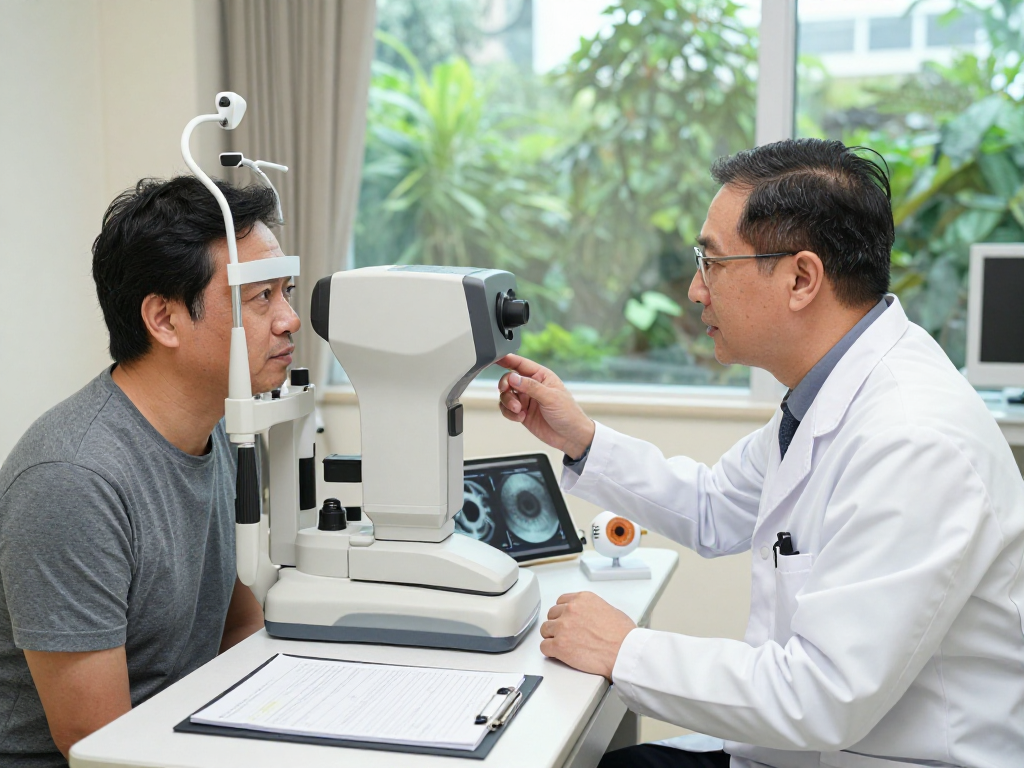
Understanding Corneal Health and Its Importance
The cornea is a vital component of the eye, responsible for focusing light and providing clarity to our vision. It's essential to maintain corneal health to ensure overall eye health and function. Understanding how the cornea works and being aware of its conditions can help you take proactive steps in caring for your eyes. If you're seeking expert guidance, consulting a cornea specialist UAE can provide insights tailored to your needs.
What is the Cornea?
The cornea is the transparent front layer of the eye that covers the iris, pupil, and anterior chamber. It is made up of five primary layers: the epithelium, Bowman’s layer, stroma, Descemet's membrane, and the endothelium. Each layer plays a critical role in maintaining corneal clarity and protecting underlying structures within the eye.
The Role of the Cornea in Vision
The cornea serves as the eye's primary refractive surface, bending light to help focus images on the retina. About two-thirds of the eye’s total focusing power is attributed to the cornea. Its curved shape is essential for directing light correctly, which is crucial for sharp vision. Any irregularities or diseases affecting the cornea can lead to blurred vision or discomfort.
Common Corneal Diseases and Conditions
- Keratitis: Inflammation of the cornea, often resulting from infection, injury, or dry eyes.
- Corneal Dystrophies: Genetic conditions that cause progressive clouding of the cornea.
- Pterygium: A growth of tissue on the cornea that can affect vision.
- Fuchs’ Endothelial Dystrophy: A degeneration of the cornea's innermost layer, leading to swelling and vision problems.
- Corneal Ulcers: Open sores on the cornea, usually caused by infections or injuries.
Identifying the Right Cornea Specialist in UAE
Finding a qualified cornea specialist is crucial for receiving the right care for your eye condition. A skilled cornea specialist will have the expertise to diagnose and treat various corneal diseases effectively.
Qualifications and Credentials of a Cornea Specialist
When choosing a cornea specialist, consider their education and training. A qualified cornea specialist typically holds a medical degree in ophthalmology and has completed a fellowship in cornea and external disease. Board certification and a good standing with relevant medical boards also indicate a specialist's credibility.
Understanding Different Treatment Approaches
Cornea specialists employ various treatment methods depending on the condition diagnosed. Treatment options may include medications, advanced surgical procedures, or even experimental therapies. Understanding these methods can help patients make informed decisions about their care.
Key Questions to Ask During Your Consultation
- What is the specific diagnosis?
- What treatment options are available, and what are their risks?
- How will the treatment improve my condition?
- What are the expected outcomes and recovery times?
- Are there alternative treatments or a second opinion recommended?
Advanced Treatments for Corneal Conditions
As technology continues to evolve, so do the treatment options available for corneal conditions. It’s important to stay informed about the latest advancements that can aid in recovery and improve quality of life.
Innovative Surgical Techniques: Transplants and Beyond
Corneal transplants have become increasingly common. Techniques like penetrating keratoplasty or the more recent Descemet's membrane endothelial keratoplasty (DMEK) allow for greater precision and improved recovery times. These advances enable specialists to address complex corneal conditions more effectively.
Non-Surgical Approaches: Managing Eyecare Effectively
In addition to surgical procedures, non-surgical methods such as specialty contact lenses, medicated eye drops, and therapeutic procedures can effectively manage corneal diseases. These approaches often aim to enhance comfort and preserve vision without invasive procedures.
Emerging Technologies in Corneal Treatment
Future trends in corneal treatment may include gene therapy and regenerative medicine. Researchers are exploring how to repair or regenerate corneal tissue using stem cells, which could revolutionize treatment for patients with degenerative corneal diseases.
Preventative Measures for Corneal Health
Prevention is a critical aspect of maintaining corneal health. Implementing daily care practices can significantly enhance longevity and protect against diseases.
Daily Eye Care Practices
Practicing good eye hygiene, such as washing hands before touching your face and avoiding rubbing your eyes, can help prevent infections. Additionally, using UV protection and staying hydrated are simple ways to support corneal health.
Nutrition and Lifestyle Choices for Healthy Eyes
A balanced diet rich in antioxidants, vitamins A, C, and E, and omega-3 fatty acids can improve eye health. Foods like leafy greens, fish, nuts, and citrus fruits should be staples in your diet to protect your vision.
Regular Eye Exams: When and Why?
Regular check-ups with an eye care professional are vital. Adults should have a comprehensive eye exam at least every two years; however, individuals with existing eye conditions should consult more frequently to monitor and manage their eye health effectively.
Future Trends in Corneal Specialists and Eye Care
The landscape of eye care, particularly in the field of corneal health, is rapidly changing. Staying updated on future trends can help patients navigate their treatment options effectively.
Anticipated Advances in Corneal Treatments by 2026
By 2026, we may see the integration of artificial intelligence in diagnosing corneal diseases, streamlining treatment plans, and personalizing patient care. These advancements can lead to early detection and improved outcomes for patients.
The Impact of Telemedicine on Eye Care Services
Telemedicine has transformed how patients access eye care. With remote consultations, patients can receive expert opinions without extensive travel. This accessibility is especially beneficial in a diverse region like the UAE, where patients can connect with specialists from various locales.
Patient-Centric Approaches and Personalized Medicine
Emerging trends in personalized medicine focus on tailoring treatments to individual patient needs. This approach can lead to more effective management of corneal diseases, as treatments are designed based on genetic profiles and specific health conditions.
What should I expect during a cornea specialist consultation?
During your consultation, expect a thorough examination, including a detailed history of your symptoms, vision tests, and possibly imaging studies. The specialist will discuss your condition, potential treatments, and answer any concerns you may have.
How can I take care of my cornea at home?
At home, maintain good hygiene practices, avoid exposure to harmful environmental elements, and adhere to prescribed eye care routines. Regularly moisturizing your eyes can also help prevent dryness and irritation.
What are the signs of corneal diseases?
Signs of corneal diseases may include redness, pain, blurred vision, sensitivity to light, and persistent tearing or discharge. If you experience these symptoms, it’s essential to consult a specialist promptly.
Are corneal transplants risky?
Like any surgical procedure, corneal transplants carry risks, including infection and rejection. However, they have a high success rate, and many patients experience significant improvements in their vision post-surgery.
How often should I visit a cornea specialist?
Frequency of visits will depend on your specific condition. Generally, if you have a corneal disease, regular visits are essential for monitoring and adapting your treatment plan as needed.